







Search Results for: Two Lakes
What Does "Two Lakes, Two Mandhelings" Refer To? A Detailed Look at the Regional Differences and Flavor Origins of Sumatra Mandheling
Sumatra is the core producing region of Mandheling coffee, and among its areas, the two major producing regions of Lake Toba and Lake Tawar are collectively known as the "Two Lakes, Twin Mandheling." The Mandheling produced in these two lake regions is likewise thick and aromatic, but their flavor profiles each take a different direction. Mandheling is not the name of a bean variety, but rather a general term formed under a chance turn of history. From the introduction of Arabica during the Dutch colonial period, to the switch to Robusta after rust disease, and then to the name "Mandheling" arising from a linguistic misunderstanding during the Japanese occupation, this name carries the winding past of Indonesian coffee. This article sorts out the flavor characteristics of the Two Lakes, Twin Mandheling, and introduces the classic mouthfeel brought by the wet-hulled processing and medium-dark roasting of Front Street Coffee Lintong Mandheling. [more…]
Exploring the Rich Mystery of the Two Lakes and Double Man: An In-Depth Analysis of the Herbal Flavor Origins of Indonesian Mandheling
Mandheling coffee is famous for its rich, intense flavor and distinctive herbal, spicy aroma, and the darkest-roasted bean on Front Street Coffee's menu is precisely this one from Indonesia. Many enthusiasts are curious: where exactly does this signature herbal flavor come from? This article will break down, one by one, the logic behind the rich flavor of the "Two Lakes, Two Man" blend—from Sumatra's growing environment, the evolution of coffee varieties, the wet-hulling process born of the tropical climate, and the way Front Street Coffee's Lintong Mandheling is presented—guiding you to a deeper understanding of the terroir and craft codes behind this classic coffee. [more…]
What does "Two Lakes, Two Mandhelings" refer to? A detailed explanation of the origins of Mandheling and the flavor differences between its two major producing regions.
The two major producing regions of Sumatra, Lake Toba and Lake Tawar, give rise to the famous "Two Lakes, Two Mandhelings" Mandheling. The former has a low, muted flavor with a grassy jelly herb note, while the latter has bright fruity acidity and a woody aroma. The origin of Mandheling can be traced back to the late 17th century during the Dutch colonial period. After coffee leaf rust, disease-resistant varieties such as Tim Tim and Catimor gradually became the mainstay, and the wet-hulled process further gave the coffee its unique herbal and spice notes. This article will guide you through the definition of "Two Lakes, Two Mandhelings," the history of Sumatran coffee, the wet-hulled process, and the regional background and pour-over recommendations for Front Street Coffee PWN Golden Mandheling. [more…]
Comparison of Flavor, Production Regions, and Grades: Sumatra Two Lakes Double Mandheling vs. Jamaican Blue Mountain Coffee
Sumatra's Mandheling and Jamaica Blue Mountain are two classics in the coffee world that are vastly different in style yet equally highly regarded. The former, centered on Lake Toba and Lake Tawar, forms the rich and mellow "Two Lakes, Twin Mandhelings"; the latter, by virtue of the unique terroir of Jamaica's Blue Mountain range, has earned the name of the balanced and elegant "Coffee Beauty." This article will systematically sort out the differences between Mandheling and Blue Mountain coffee from multiple dimensions including production region history, growing conditions, processing methods, grading, and cupping flavors, while preserving Front Street Coffee's recorded tasting notes on PWN Golden Mandheling and Blue Mountain No. 1, to help coffee enthusiasts more clearly understand the character and value of these two beans. [more…]
Sumatra Takengon Mandheling G1 Specialty Coffee: Flavor Characteristics and Interpretation of the Differences Between the Two Lakes Regions
Sumatran Arabica coffee is collectively known as Mandheling, but the flavor differences between its two major lake regions—Lake Toba and Lake Tawar—are worth exploring in depth. Lake Toba has a low, muted aroma, even carrying notes of grass jelly, while Lake Tawar displays brighter fruit acidity along with flavors reminiscent of incense cedar and wood. The two are separated by more than three hundred kilometers, and their cultivation histories differ by at least thirty-six years. This article focuses on the Takengon Mandheling G1 produced in the Gayo highlands by Lake Tawar, tracing its full journey from introduction during the colonial period to its unique wet-hulling process, and analyzing why this bean presents a complex flavor profile of caramel, spice, pine, and dark chocolate. It also introduces the product characteristics and suitable brewing methods of Front Street Mandheling G1 and Front Street PWN Golden Mandheling, providing coffee enthusiasts with a reference for purchasing and tasting. [more…]
Exploring the East African Coffee Landscape: A Full Analysis of Tanzania's Kilimanjaro and Arusha Producing Regions
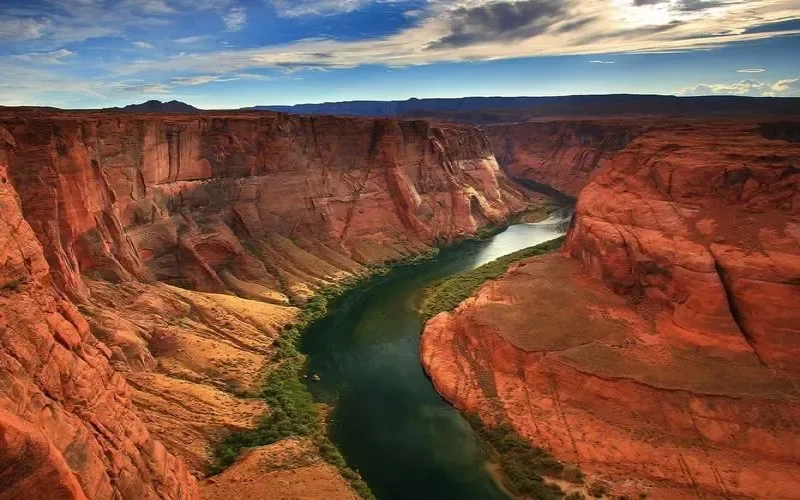
The African continent is dominated by plateaus, and the East African region in particular is home to the Ethiopian Highlands and the East African Plateau, with the Great Rift Valley running through it, dense clusters of volcanoes and lakes, and the Equator crossing it—together creating natural conditions extremely well suited to coffee cultivation. Coffee produced in this region accounts for about 14% of total global output, and Tanzania, thanks to its high-quality coffee, is known as the "coffee gentleman." Tanzania's terrain is high in the northwest and low in the southeast, with Mount Kilimanjaro standing in the northeast at 5,895 meters above sea level, the highest peak in Africa. Around this mountain, two core producing regions have formed: Kilimanjaro and Arusha. High altitude, volcanic soil, and pure snowmelt water together create the distinctive quality of the local coffee. Front Street Coffee also has a washed Typica from the Kilimanjaro producing region, and its flavor profile is worth noting. [more…]

Complete Guide to Mandheling Coffee: Characteristics of Two Major Producing Regions, Roasting Approaches, and Brewing & Extraction Techniques
Mandheling stands out in the coffee world with its low acidity, full body, and pronounced bittersweet character. This article focuses on two Indonesian Mandhelings from Front Street Coffee—Lintong Mandheling and PWN Golden Mandheling—sorting out the regional background of Sumatra's "Two Lakes, Two Mandhelings," analyzing how medium-dark roasting shapes herbal spice and dark chocolate notes, and sharing practical tips for avoiding excessive bitterness during brewing and extraction. It also introduces the espresso performance of Front Street's classic blend and the flavor differences between the two Mandhelings under cupping comparison, helping coffee lovers understand Mandheling's personality and charm more comprehensively. [more…]
A Deep Dive into Indonesia's Sumatra Aceh Lake Tawar Region: Front Street Mandheling G1 Flavor and Specialty Coffee Geographical Analysis
Sumatra Mandheling is a classic that coffee enthusiasts cannot avoid, but the "Two Lakes, Two Mandhelings" often causes confusion. This article starts with the regional differences between Lake Toba and Lake Tawar, analyzes the cultivation history, unique wet-hulling process, and flavor characteristics of Aceh Gayo highlands Lake Tawar Mandheling, and focuses on introducing the grades and brewing performance of Front Street Mandheling G1 and Front Street PWN Golden Mandheling. By sorting out the origins, processing methods, and flavor context, it helps readers more clearly understand the complex landscape of Sumatran specialty coffee and the charm of Mandheling. [more…]
A Complete Analysis of the Flavor Characteristics, Pour-Over Parameters, and Name Origin of Indonesian Lintong Mandheling Coffee Beans
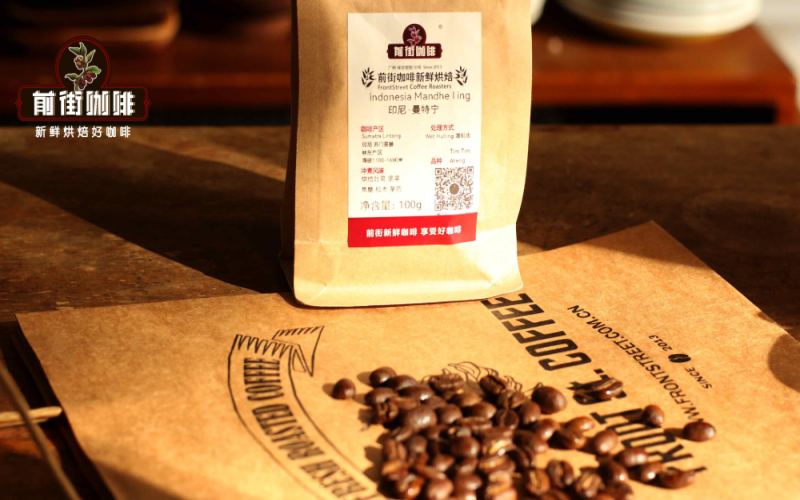
In the coffee landscape of Asia, islands such as Sumatra and Java in the Malay Archipelago occupy an important position, and the Mandheling produced in Sumatra is even more renowned. This article will focus on Front Street Coffee's Indonesia Lintong Mandheling, breaking it down one by one from country, grade, region, processing method, and altitude to flavor, and comparing the similarities and differences between Lake Toba and Lake Tawar, the "Two Lakes, Two Mandhelings," while introducing the more premium Front Street Coffee PWN Golden Mandheling. At the same time, a detailed pour-over recipe is provided, including coffee dose, grind size, dripper, water temperature, pouring rhythm, and extraction time, along with the interesting story of how the name Mandheling accidentally spread during World War II. [more…]
2024 Nicaragua COE Champion Alpine Estate: The Road to Consecutive Wins in the Nueva Segovia Region
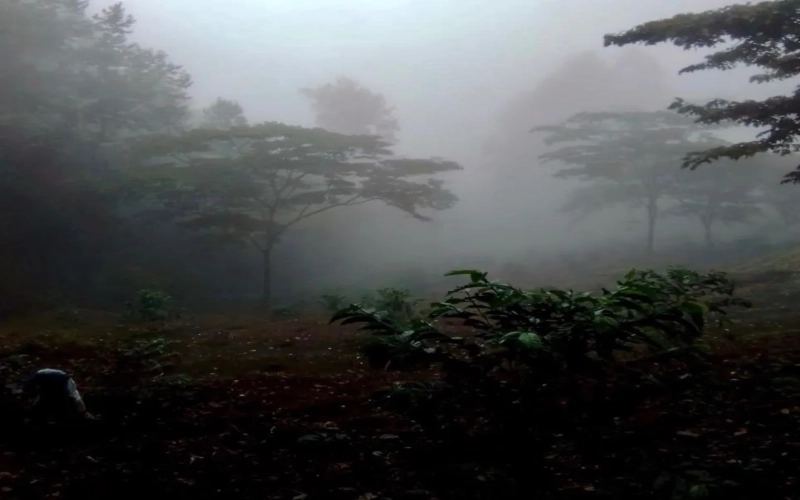
The 2024 Nicaragua Cup of Excellence (COE) has concluded, with a sun-dried Geisha from Finca Los Alpes in the Nueva Segovia region winning the championship with a score of 91.1, successfully defending its title. This article will guide you through Nicaragua's coffee-growing environment and the distribution of its main production regions, and take a deeper look at this champion estate that has won the COE for two consecutive years. From the two farms owned by estate owner Olman Balladares, to the planting layout of varieties such as Caturra, Catuai, Bourbon, and Geisha, and to the coffee research and quality control team behind them, we will explore the origins of their excellent results. At the same time, Front Street Coffee will also recommend related products for you. [more…]
How Does Mandheling Differ from Jamaican Blue Mountain? A Full Analysis of the Flavor Characteristics and Origins of Lianghu Shuangman and Blue Mountain Coffee
Mandheling and Jamaican Blue Mountain—one is the robust representative of Sumatra, Indonesia, and the other is the elegant exemplar of a Caribbean island. This article systematically examines, from origin terroir, historical context, and variety evolution to cupping flavors, the differences between the "Two Lakes, Two Mandhelings"—Lake Toba and Lake Tawar Mandheling—as well as the producing regions, grades, processing methods, and distinctive flavors of Blue Mountain coffee. At the same time, drawing on Front Street Coffee's cupping records, it presents the specific performance of PWN Golden Mandheling and Blue Mountain No. 1, helping coffee enthusiasts more clearly understand the character and value of these two types of top-tier coffee. [more…]
A Complete Guide to Ugandan Coffee: Origins of Native Robusta, Terroir of Three Major Regions, and Variety Distribution
Uganda is located on the equator in East Africa, and its unique geographical environment of high altitudes and numerous lakes makes it one of the few homes to native coffee tree species in the world. Starting from its historical context, this article will sort out the complete journey of Ugandan coffee from its beginnings in the colonial period, through industry ups and downs, to its modern transformation, and introduce one by one the altitude conditions, harvest seasons, and planted varieties of the three major producing regions: Bugisu, West Nile, and Mount Renzori. Whether you are a seasoned enthusiast who loves African beans or a beginner who has just come into contact with specialty coffee, you can learn about the unique charm of Ugandan coffee. Front Street Coffee also continuously pays attention to the flavor performance of various African producing regions, bringing more choices to coffee lovers. [more…]
Comparative Analysis of Sumatra's Two Major Coffee Regions: Decoding the Flavor Differences Between Aceh and Lintong Mandheling
Sumatra is the core producing region for Mandheling coffee, with the northern Aceh Province and the Lintong area around Lake Toba in the central-southern part each offering distinct characteristics. Aceh's main producing area centers on the Gayo Mountains surrounding Lake Tawar, while Lintong lies on the southwestern side of Lake Toba and focuses on Indonesian specialty coffee. High altitude, fertile soil, and proximity to lakes combine to create Mandheling's rich, full-bodied flavor. This article will guide you through the terroir differences between these two major producing regions, as well as well-known origins such as Lintongnihuta, Sidikalang, and Doloksanggul in the Lake Toba area and Takengon in the Gayo region, while also introducing Front Street Coffee's selected Mandheling products. [more…]
The Origin of Sumatra Coffee's Nicknames: A Detailed Explanation of Mandheling from the Dual Producing Regions of Lake Toba and Lake Tawar
Mandheling coffee, also known as "Sumatra coffee," is one of the most highly recognizable presences in the coffee world. Its core production areas are concentrated around Lake Toba in northern Sumatra and Lake Tawar in Aceh, hence the saying "two lakes, two Mandhelings." Front Street Mandheling, with its sweet-bitter throat-soothing richness and bold, undisguised flavor, has become the introductory first choice for countless enthusiasts; while Front Street PWN Golden Mandheling, through multiple rounds of hand sorting and machine sorting, is even better in body and cleanliness. This article will guide you through the naming origins of Mandheling, the geographical background of the Lake Toba production area, and the cultivation history of the Typica variety in the mountainous areas around Lake Toba, while also retaining an objective description of the Front Street series products, providing a reference for your coffee exploration. [more…]
A Complete Guide to the Flavor Characteristics and Origins of Indonesian Lintong Mandheling Coffee Beans, Pour-Over Parameters, and Mandheling Classification
In the Asian coffee landscape, the islands of Sumatra, Java, and Kalimantan in the Malay Archipelago occupy a pivotal position, among which Mandheling from Sumatra, Indonesia, is particularly renowned. Lake Toba in North Sumatra Province and Lake Tawar in Aceh are together known as the "Two Lakes, Two Mandhelings" — the former has a muted, low-toned aroma, while the latter has brighter fruit acidity with woody notes. The name Golden Mandheling is registered and held by Pwani Coffee Company, but with advances in cultivation techniques, many Mandhelings have already approached its top-tier standard. This article will unfold one by one from the origin story, classification methods, and green bean characteristics to specific pour-over parameters, and is accompanied by product information recommended by Front Street Coffee, to give you a comprehensive understanding of this full-bodied, rich classic coffee. [more…]
Where Does the Herbal Aroma of Sumatra Mandheling Come From? A Full Analysis of the Flavor Origins of Lintong
In Front Street Coffee's product line, the darkest roast is undoubtedly Indonesian Mandheling. Its distinctive spicy character, layered with herbal, caramel, and cocoa notes, has captivated many coffee enthusiasts. So how exactly is the signature herbal flavor in Mandheling formed? This article will analyze it from three perspectives: growing environment, coffee variety, and processing method. The name Mandheling actually originates from a local ethnic minority in Sumatra, and was later mistakenly adopted as a coffee name that persists to this day, now almost synonymous with Sumatran coffee. The producing regions are mainly concentrated around Mount Gayo and Lake Tawar in Aceh, as well as around Lake Toba in North Sumatra Province—commonly referred to as the "two lakes, two Mandhelings." [more…]
A Complete Guide to Lintong Mandheling Coffee: Origin, Processing, and Brewing Flavors of Sumatra's Classic Black Coffee
Lintong Mandheling is one of the most iconic classic coffees from the Sumatra region of Indonesia, renowned for its rich, full-bodied, low-acid, non-astringent mouthfeel and its distinctive herbal, woody aroma. This article provides a comprehensive overview of this classic black coffee's origin background and tasting highlights—from the origin of the Mandheling name, Indonesia's G1 to G6 grading system, and the two core producing regions of Lake Toba and Lake Tawar, to the steps of the wet-hulling process, the green bean characteristics and medium-dark roast flavor profile of Front Street Lintong Mandheling, and the pour-over parameters and extraction performance at different roast levels. It is suitable for coffee enthusiasts who wish to gain a deeper understanding of Indonesian Mandheling. [more…]
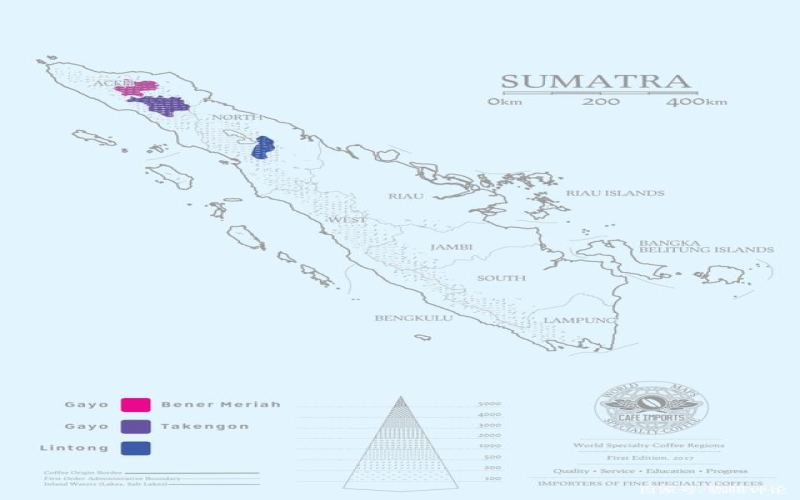
Indonesian PWN Golden Mandheling G1 Washed Beans: A Full Analysis of Origin, Flavor Profile, and Pour-Over Brewing Parameters
Mandheling is the most recognizable presence on the Asian coffee map, and the Golden Mandheling G1 washed beans produced by Indonesia's PWN are the benchmark of excellence within it. This article begins with the "Two Lakes, Two Mandhelings" of Sumatra's two core producing regions—Lake Toba and Lake Tawar—and sorts through the many ways Mandheling is classified, focusing on analyzing the differences between Front Street Lintong Mandheling and Front Street PWN Golden Mandheling in terms of the ethnic groups that cultivate them, processing methods, flavor expression, and roasting suitability. You will learn how the wet-hulling process gives Mandheling its distinctive woody, spicy, and herbal notes, and why PWN Golden Mandheling, after three rounds of manual sorting and one round of machine sorting, can present a cleaner cup with more pronounced sweetness. At the end of the article, Front Street's recommended brewing approach is included for coffee enthusiasts to reference and put into practice. [more…]
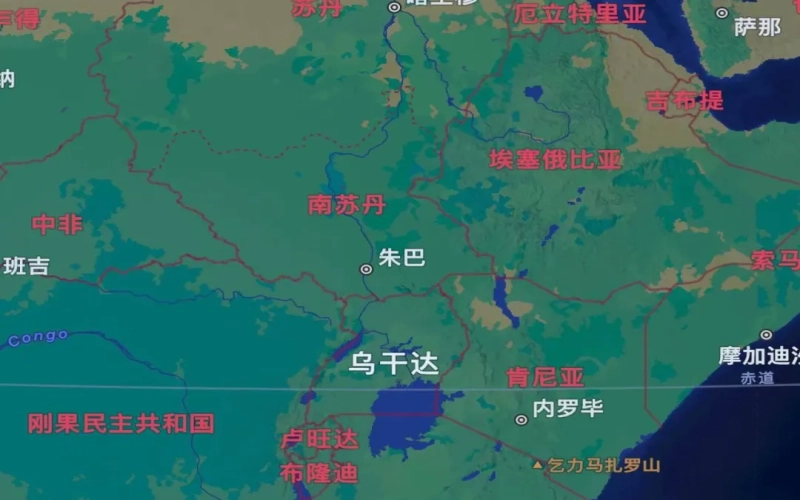
A Panoramic View of Uganda's Coffee Regions: A Variety and Terroir Analysis from Robusta to Arabica
When it comes to African coffee, many people first think of Ethiopia, but Uganda on the East African plateau is equally not to be overlooked. This country straddling the equator started with Robusta, and in recent years Arabica has also been flourishing. Most of Uganda lies on the East African plateau, with numerous lakes, moderate altitudes, volcanic soil, and distinct rainy seasons, providing superior conditions for coffee cultivation. The country's producing regions are roughly divided into three major areas: Bugisu, West Nile, and the Rwenzori Mountains, each with its own characteristics in altitude, harvest season, and varieties. Wugar (washed Arabica) and Drugar (natural Arabica) are locally unique terms. This article will take you through Uganda's national flag symbolism, geography and climate, as well as the varieties grown and harvest rhythms of its three major producing regions. [more…]

An Analysis of Sumatra Coffee Bean Varieties: Exploring Mandheling Flavor Characteristics and Suitability for Espresso Blending
Sumatra, as Indonesia's core coffee-producing region, is world-famous for its Mandheling series. This article approaches the topic from variety, history, and processing methods, analyzing the causes behind Mandheling's rich, herbal, Chinese-medicine-like flavor, and exploring whether it is suitable for making espresso blends. Front Street Coffee has long conducted in-depth assessments across the producing regions and accumulated a wealth of data. The article not only sorts out the context of the "two lakes, two Mandhelings"—Lake Toba and Lake Tawar—but also details how the wet-hulling process shapes the iconic "Mandheling taste." Finally, in response to espresso blending needs, it recommends Front Street Golden Mandheling, Lintong Mandheling, and the classic espresso blend beans, helping enthusiasts make purchases with ease. [more…]